


Types of Children’s Franchises: Finding the Right Opportunity for Modern Families
Families today are busier than ever before. Stretched for time and money, parents need to balance careers and childcare, with barely enough time for personal well-being, and often without support to do it all. The challenge is nationwide. More than half of Americans live in areas with limited access to childcare, where demand far exceeds supply. Businesses that serve children and families have evolved to meet those needs; creating new opportunities for entrepreneurs who want to make a difference for their communities and neighbors.
Children’s franchises sit at the center of this shift. With opportunities for education, enrichment, childcare, and play, these centers support families while building strong, local, sustainable businesses.
If you’ve thought about exploring a children’s franchise opportunity, knowing the different models available can help you zone in on where you can make the most impact, and find lasting financial success.

Things to Think About
- Children’s franchises span multiple categories, including childcare, preschool, education, fitness, and play-based businesses.
- Childcare and preschool franchises provide essential, high-demand services for modern families.
- Play, fitness, and enrichment franchises focus on development, engagement, and skill-building.
- Many traditional models solve only one part of a larger challenge for modern parents.
- Haven introduces a new familycare model that brings childcare, workspace, and wellness together in one place, redefining how modern families are supported.
Childcare Franchises
As one of the most established and essential categories in the franchise space, childcare franchises provide structured care for young children, typically infants through prekindergarten age, and are a critical support system for working parents. The U.S. childcare industry is valued at over $60 billion, and demand is steadily growing. At the same time, limited access in many areas creates an ongoing need for high-quality providers.
Traditional childcare franchises often focus on:
- Full-time or part-time daycare
- Early childhood development programs
- Safe, licensed environments for daily care
However, modern families need more than supervision. With busy schedules, traditional support structures, and a natural need for health & wellness, the demand is high to create a more holistic childcare industry. Parents want environments that support child development, parent flexibility, and family peace of mind.
At the same time, rising childcare costs are shaping how families think about support. In many parts of the United States, annual childcare expenses can range from $6,500 to over $15,000 per child, making it one of the most significant investments families make.
But cost alone is not what is driving change. Families are looking for more thoughtful, supportive environments that simplify their day and bring greater balance to their lives.
That is where the childcare industry has begun to evolve.
Parents want more than supervision. They are looking for environments that support their child’s development while also giving them back time, flexibility, and peace of mind.
For many, the value is not just in care itself, but in how that care fits into the bigger picture of their daily lives.
Prekindergarten and Early Education Franchises
Preschool franchises build on the childcare model by placing more emphasis on structured learning and school readiness. These businesses usually serve kids between the ages of two and five, focusing on early education with play-based or curriculum-driven programs. Common features of these franchises include:
- Developmentally appropriate learning frameworks
- Social and emotional skill-building
- Preparation for kindergarten and beyond
Families whose children attend these preschools often think about more than academics. They want their kids to have a strong foundation during the most formative years of their lives. For this reason, preschool and early education franchises are a great fit for owners who are passionate about education and want to help shape early childhood experiences.
Children’s Play and Entertainment Franchises
Play-based franchises create fun, engaging environments where children can explore and socialize while staying active. Indoor playgrounds, activity centers, and party venues are major players that offer:
- Open play sessions
- Birthday parties and events
- Interactive play zones
These franchises can be highly engaging and community-focused, but they rely heavily on discretionary spending. Success often depends on location, programming, and the ability to create memorable experiences for families.
Children’s Fitness and Sports Franchises
Similar to play-based franchises, fitness and sports franchises are geared toward a child’s movement, coordination, and confidence-building. These businesses typically offer structured classes or programs that introduce children to physical activity in a fun and supportive environment. Examples include:
- Gymnastics or dance studios
- Youth sports training programs
- Movement-based developmental classes
These franchises appeal to parents who want their children to stay active while building skills like teamwork, discipline, and resilience. But like play-based concepts, they depend on enrollment cycles and recurring participation. Retention and programming are key to their long-term success.

Education and Enrichment Franchises
Education and enrichment franchises serve a different role than traditional childcare. Instead of providing full-day care, these businesses focus on supporting a child’s development outside of school hours or beyond the classroom.
They typically serve school-age children and are designed to build specific skills, whether academic, creative, or technical.
Common offerings include:
- Tutoring services
- STEM or coding programs
- Language learning
- Arts and creative enrichment
Families turn to these programs to complement what their children are already learning, not to replace daily care. It is about giving kids additional opportunities to grow, explore interests, and build confidence in specific areas.
This is a rapidly growing category as parents look for ways to support their children’s development in a more personalized, focused way.
For franchise owners, these models can offer flexibility and the ability to serve a broad age range. At the same time, they often depend on discretionary spending and must compete with both local providers and digital learning platforms.
A New Approach: Familycare
Each of these franchise models plays an important role. But for many families, they only solve part of a much larger, everyday challenge.
Modern families are not just looking for childcare, enrichment, or fitness on their own. They are looking for a way to make everything work together.
They want a place where their child is supported, where they can stay productive, and where their own well-being is not pushed aside.
That is where Haven introduces a different approach.
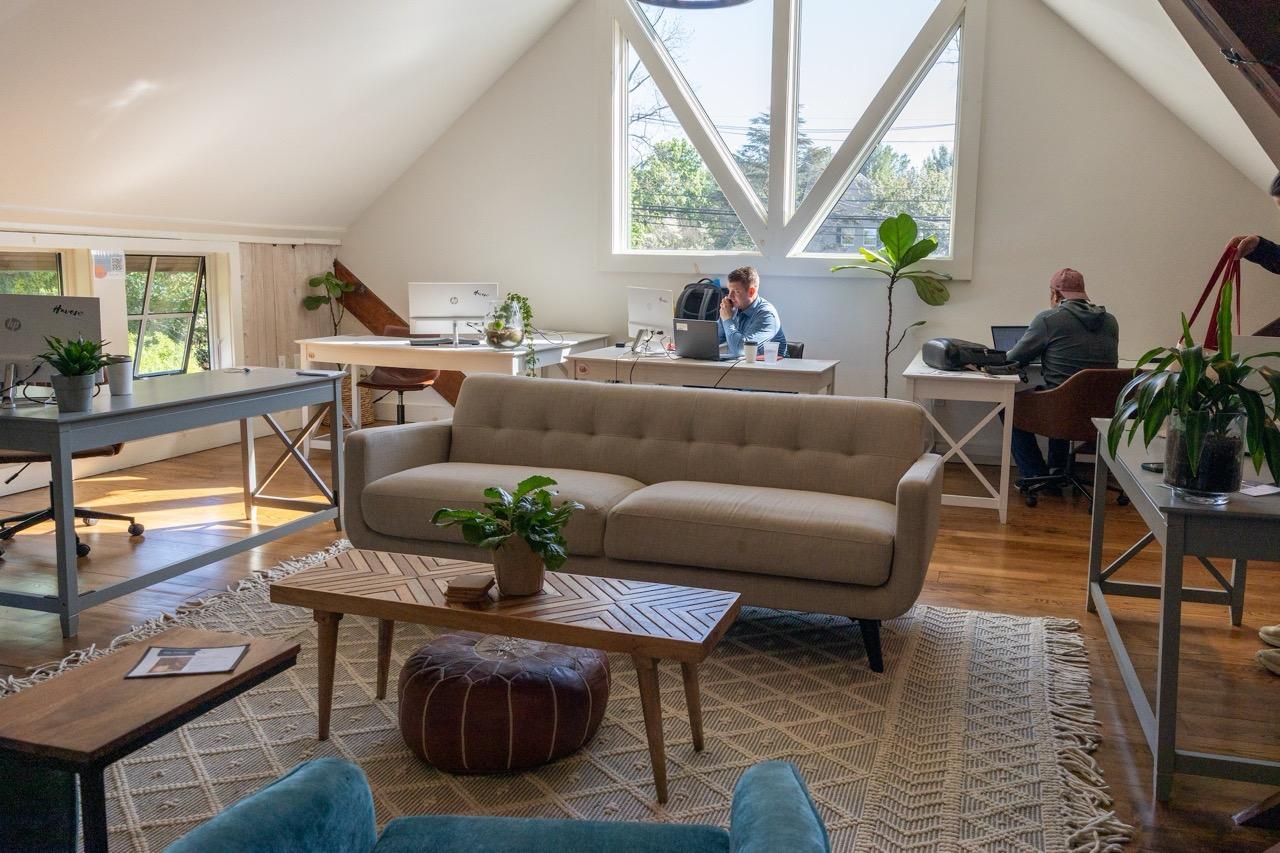
Haven is built on a familycare model. One that brings together fully licensed childcare, professional workspace, and wellness in a single, thoughtfully designed environment.
This is not about adding more to a parent’s schedule. It is about removing friction from it.
Instead of coordinating drop-offs, commutes, and fragmented routines, families have one place that supports the full rhythm of their day.
Childcare becomes more reliable. Work becomes more accessible. Time feels less rushed.
By supporting the whole family at once, Haven creates something that traditional models cannot. A more balanced, more sustainable way for families to live and work.
Choosing the Right Children’s Franchise Opportunity
Every franchise model offers its own advantages. The right choice depends on your goals, community, and the kind of impact you want to make. As you think about your franchise, think about more than business potential. Consider the following:
- The needs of modern families: Are you solving a real, everyday challenge for parents?
- Demand and sustainability: Is the business built around essential services or discretionary spending?
- Your role as an owner: Do you want to focus on education, operations, community-building, or all of the above?
- Long-term value: Does the model evolve alongside the changing needs of families?
The most successful children’s franchises go beyond providing a service to become a trusted part of the community and support families through the most important years of their lives.
Building Something that Matters
Children’s franchises offer the chance to support families and shape early experiences as you create a space where parents and children can thrive.
As family needs evolve, so do the opportunities in this space. The future of children’s franchising is about more than doing one thing well. Instead, you should understand the bigger picture of family life and create solutions that make a difference.
If you’re ready to take the next step, explore Haven’s children’s franchise opportunity to discover how you can build a business that helps families reclaim their time, find balance, and thrive together.
Children’s Franchise Frequently Asked Questions
What is a children’s franchise?
A children’s franchise is a business model focused on serving children and families. These franchises can include childcare centers, preschools, tutoring services, fitness programs, or play-based activity centers.
What is the difference between a childcare franchise and a preschool franchise?
Childcare franchises primarily focus on providing safe, supervised care for children, while preschool franchises emphasize structured early education and school readiness.
Are children’s franchises a good investment?
Children’s franchises can be a strong investment because they serve ongoing needs within a community. As demand for childcare and family support continues to grow, these businesses play an increasingly important role.
What makes modern children’s franchise models different?
Modern models are shifting toward integrated solutions that support the entire family, not just the child. This includes combining childcare with workspace and wellness offerings, creating a more holistic and convenient experience for parents.
Take the Next Step
If you’re looking for an opportunity to build an impactful business in a large, growing, and resilient industry, Haven may be the right fit.
We invite you to learn more about bringing Haven to your community.